Email marketing · 17 July 2026 · Shop Simply
Email Marketing for South African Ecommerce (Practical Tactics That Actually Work)
Paid ads get more expensive every year. Your email list doesn't. It's the one marketing channel you fully own — no algorithm change can hide your message from people who've already asked to hear from you — and for small South African online shops, it's consistently one of the highest-return channels available once it's set up properly.
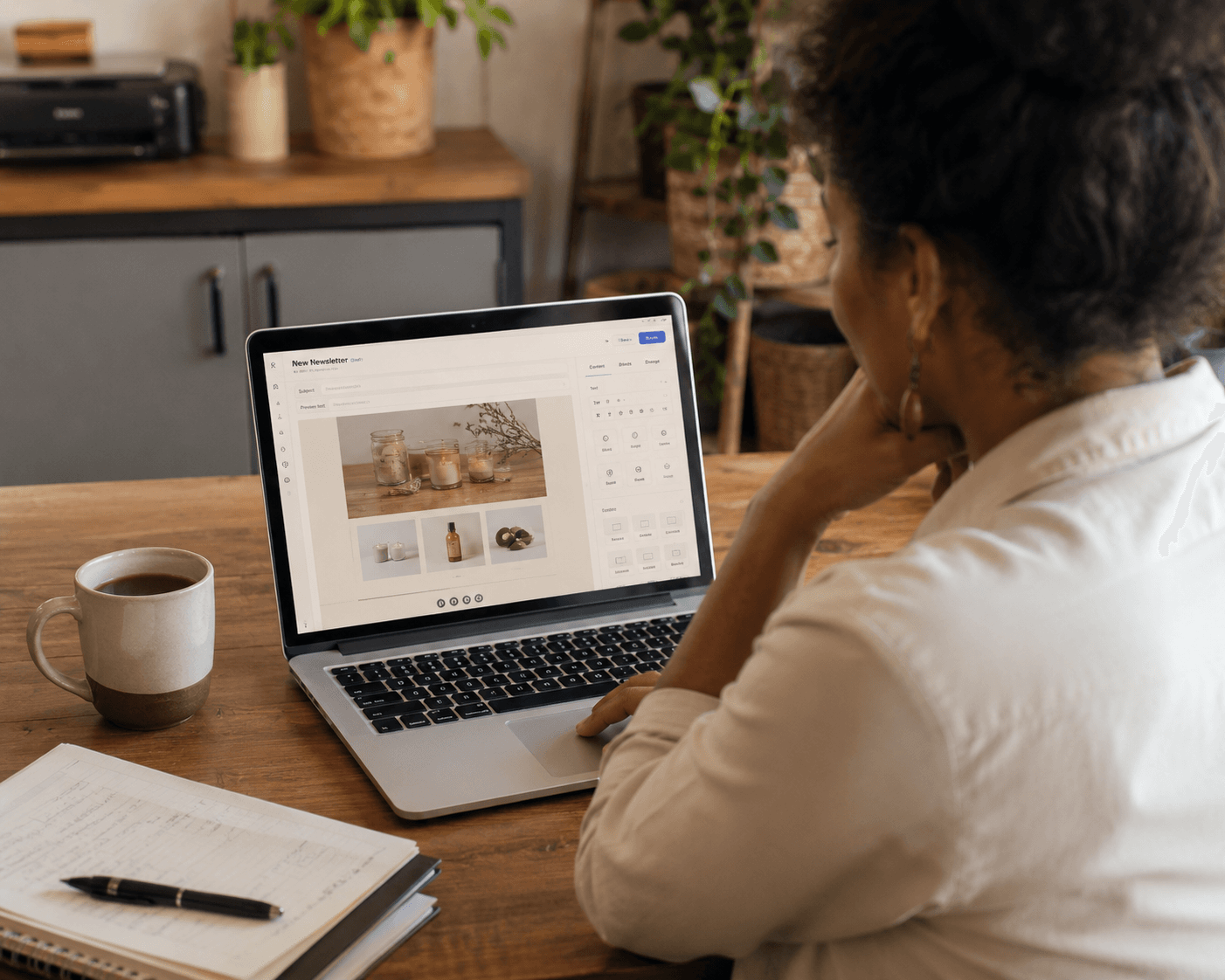
This post covers the practical side: which emails actually move the needle, which tools make sense for a small SA shop's budget, and how to stay on the right side of POPIA while doing it. No fluff, no "10x your revenue overnight" claims — just what to build and why.
Why email still outperforms for small shops
Stores with basic email automation running — not just occasional newsletters, but proper triggered flows — commonly generate 20–30% of total revenue through email. Shops without any automation typically sit under 5%, meaning they're re-acquiring every single customer from scratch through paid ads, at ever-increasing cost per click.
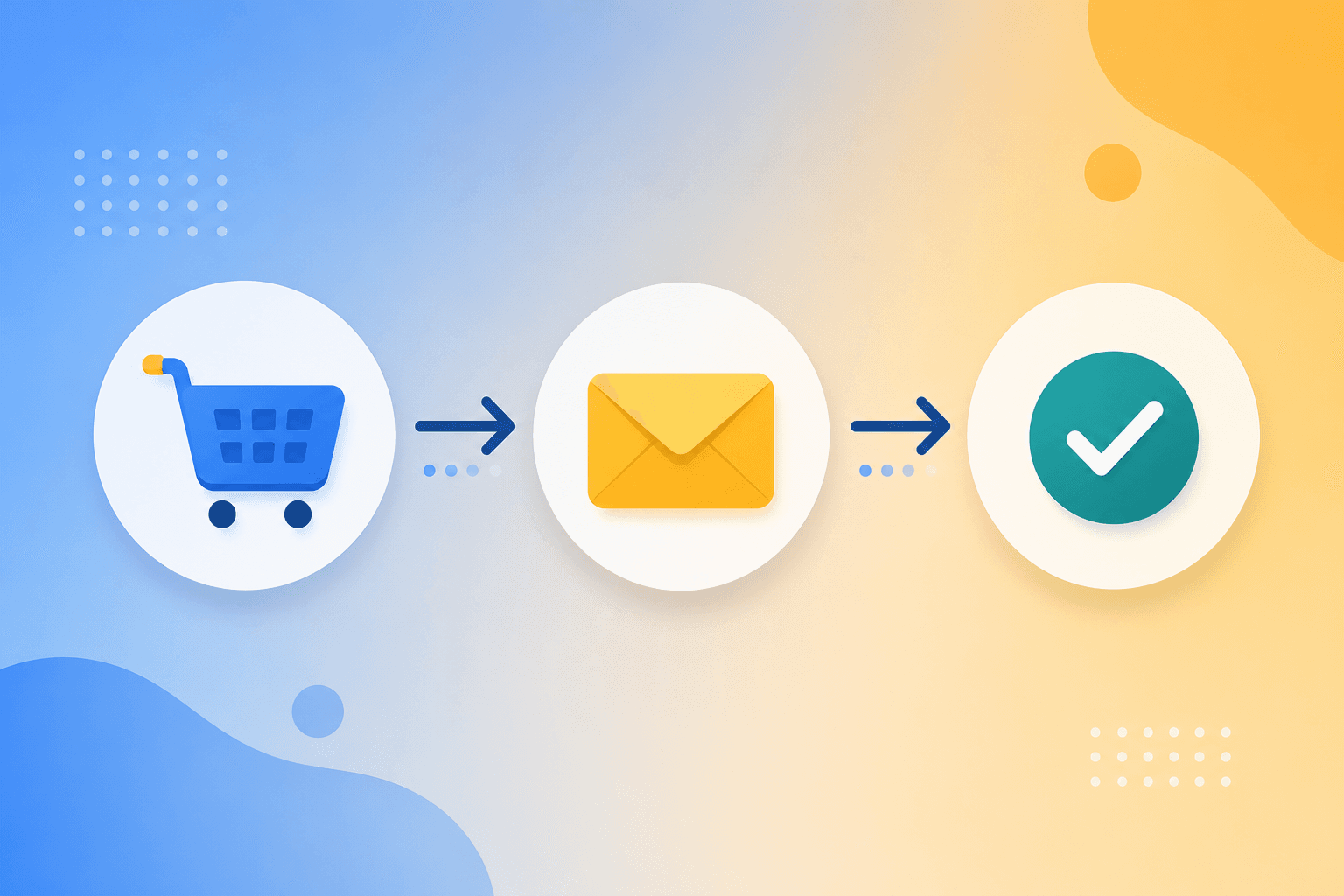
The gap isn't about sending more emails. It's about sending the right emails automatically, triggered by what a customer actually does — signs up, abandons a cart, makes a purchase, goes quiet. Set these up once and they run in the background indefinitely.
The four flows worth building first
Before writing a single newsletter, get these four automated flows in place. In most stores, these do more work than everything else combined.
Welcome series.Triggered the moment someone joins your list — from a pop-up, checkout opt-in, or footer signup. Introduce your shop, set expectations for what you'll send, and consider a small first-purchase incentive. This is the highest open-rate email you'll ever send; new subscribers are paying attention.
Abandoned cart recovery. Triggered when someone adds a product to their cart and leaves without buying. A short sequence — a reminder a few hours later, a follow-up the next day, perhaps a final nudge with a small incentive — recovers a meaningful share of carts that would otherwise be lost entirely. This single flow is usually the fastest, easiest win in ecommerce email marketing.
Post-purchase sequence. Triggered right after checkout. Confirm the order, set delivery expectations, and follow up a few days after delivery to ask for a review or share care instructions. This is also where repeat-purchase behaviour starts — a shop that goes quiet after the sale trains customers to forget about it.
Win-back / re-engagement.Triggered when a customer hasn't opened an email or made a purchase in a while. A "we miss you" message, sometimes with an incentive, brings a portion of dormant subscribers back before you write them off entirely.
Broadcasts: use them, but sparingly
Automated flows run in the background; broadcasts are the one-off campaigns you send manually — a new product launch, a sale, a restock notice. They're valuable, but they're not a substitute for the flows above. A shop that only sends broadcasts (and only when there's a sale on) trains its list to expect discounts and ignore everything else. Reserve broadcasts for genuinely useful updates, and let your automated flows do the daily, unglamorous work of recovering carts and re-engaging customers.
Which tool to actually use
For a small South African shop just getting started, the right tool depends mainly on list size and budget — not on chasing the most feature-rich option.
Omnisendis generally the best starting point for small SA shops. It's built specifically for ecommerce, includes email and SMS in one platform, and its entry-level pricing (roughly $16/month for up to 500 contacts) makes it accessible without a big commitment. Its pre-built automation templates cover the four flows above out of the box.
Klaviyois the stronger choice once you're past roughly 5,000–10,000 contacts, where its deeper segmentation and analytics start to justify the higher cost (email-only pricing starts around $30/month at 1,000 profiles, scaling from there). It's widely regarded as the fastest platform to get abandoned cart and post-purchase flows running well.
Mailchimp is worth mentioning mainly to rule it out for most ecommerce use cases — it was built for general newsletters and announcements rather than shop-specific behavioural triggers, and its abandoned cart and ecommerce automation are noticeably less capable than Omnisend or Klaviyo.
Whichever platform you choose, look for one that connects directly to your shop so it can see purchases, cart activity, and customer data automatically — manually exporting and importing customer lists is a maintenance burden most small shop owners don't have time for.
Staying POPIA-compliant
Email marketing in South Africa isn't just a best-practice question — it's a legal one. POPIA (the Protection of Personal Information Act) governs direct marketing by email, and the Information Regulator has real enforcement power, with fines of up to R10 million for non-compliance.
The core rules are straightforward if you build them in from the start:
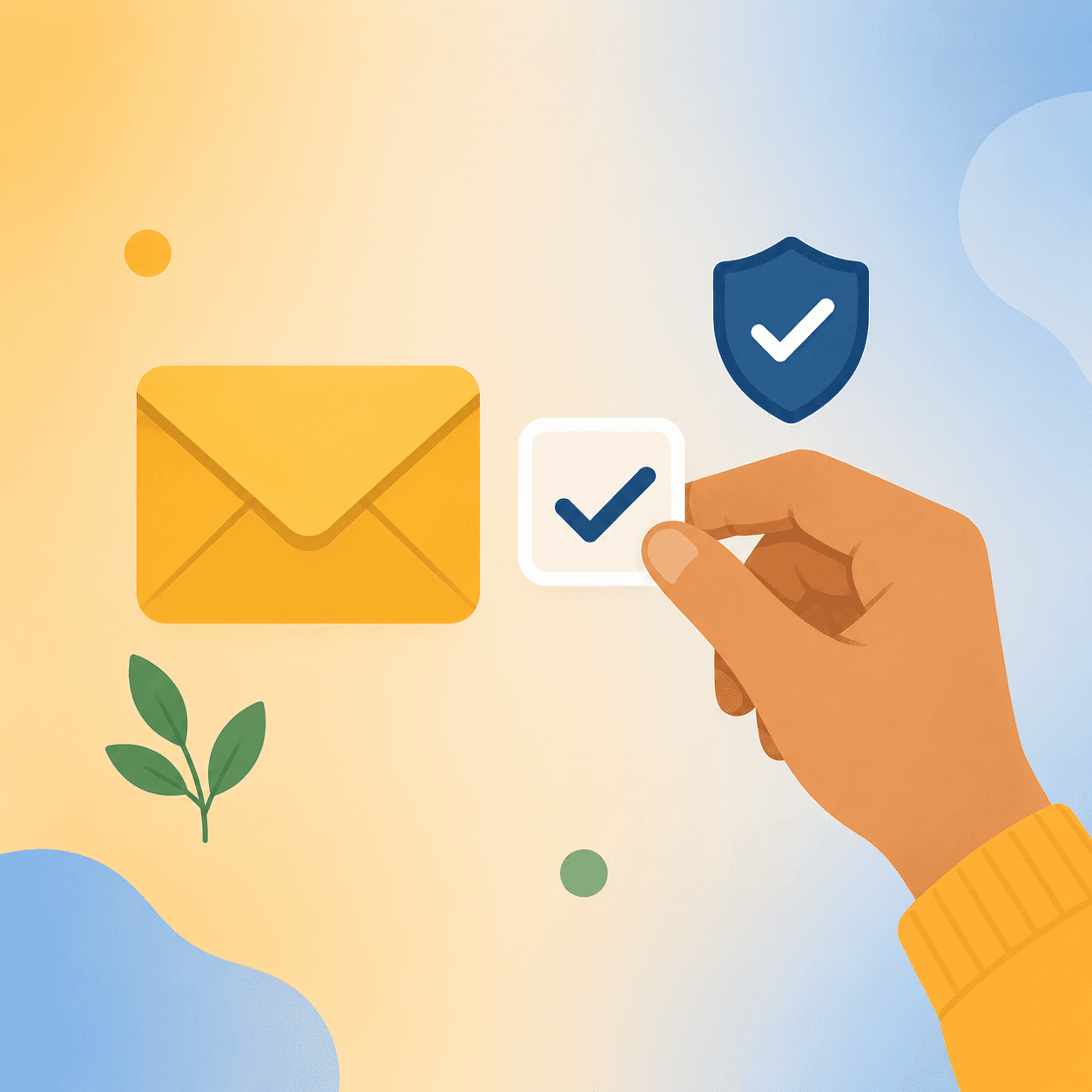
Get explicit opt-in consent. No pre-ticked checkboxes, no adding people to your list because you have their email from an order or a business card. Consent has to be a clear, separate, affirmative action — a checkbox someone actively ticks, not one they have to notice and untick.
Existing customers are a narrow exception. You can email existing customers about your own similar products without fresh opt-in — but only if you collected their details in the course of selling them something, and you gave them the chance to opt out at the time, and in every email since.
One cold email, not a campaign.If you want to reach someone not yet on your list, POPIA allows a single email asking for consent. If they don't respond or opt in, that's it — no follow-up attempts.
Every email needs a clear sender and an easy opt-out.This one's non-negotiable in any serious email platform, and Omnisend, Klaviyo, and Mailchimp all handle the unsubscribe mechanics automatically. The part you're responsible for is making sure consent was properly obtained before someone lands on your list in the first place.
This isn't legal advice — POPIA guidance has continued to evolve, so if you're unsure how it applies to your specific shop, it's worth a conversation with someone who specialises in it.
Where to start if you have nothing set up yet
Don't try to build all four flows and switch platforms and rewrite your opt-in forms in the same week. A sensible order:
Pick a platform sized to your list (Omnisend for most shops starting out). Set up a compliant opt-in — checkout and a simple, honest signup form, no pre-ticked boxes. Build the abandoned cart flow first; it's the fastest win and usually pays for the platform's subscription on its own. Add the welcome series and post-purchase sequence next. Layer in win-back and broadcasts once the first three are running smoothly.
Each flow you add compounds on the last — and unlike a paid ad campaign, they keep working long after you've stopped thinking about them.
Set up your shop for free
Build your product catalogue and get your checkout ready, then go live for R89 a month and start growing the list these flows depend on.